 Pawcare Wise
Home care Cats
The daily cat resource walk-through
Check the route to each essential instead of judging the room from the doorway.
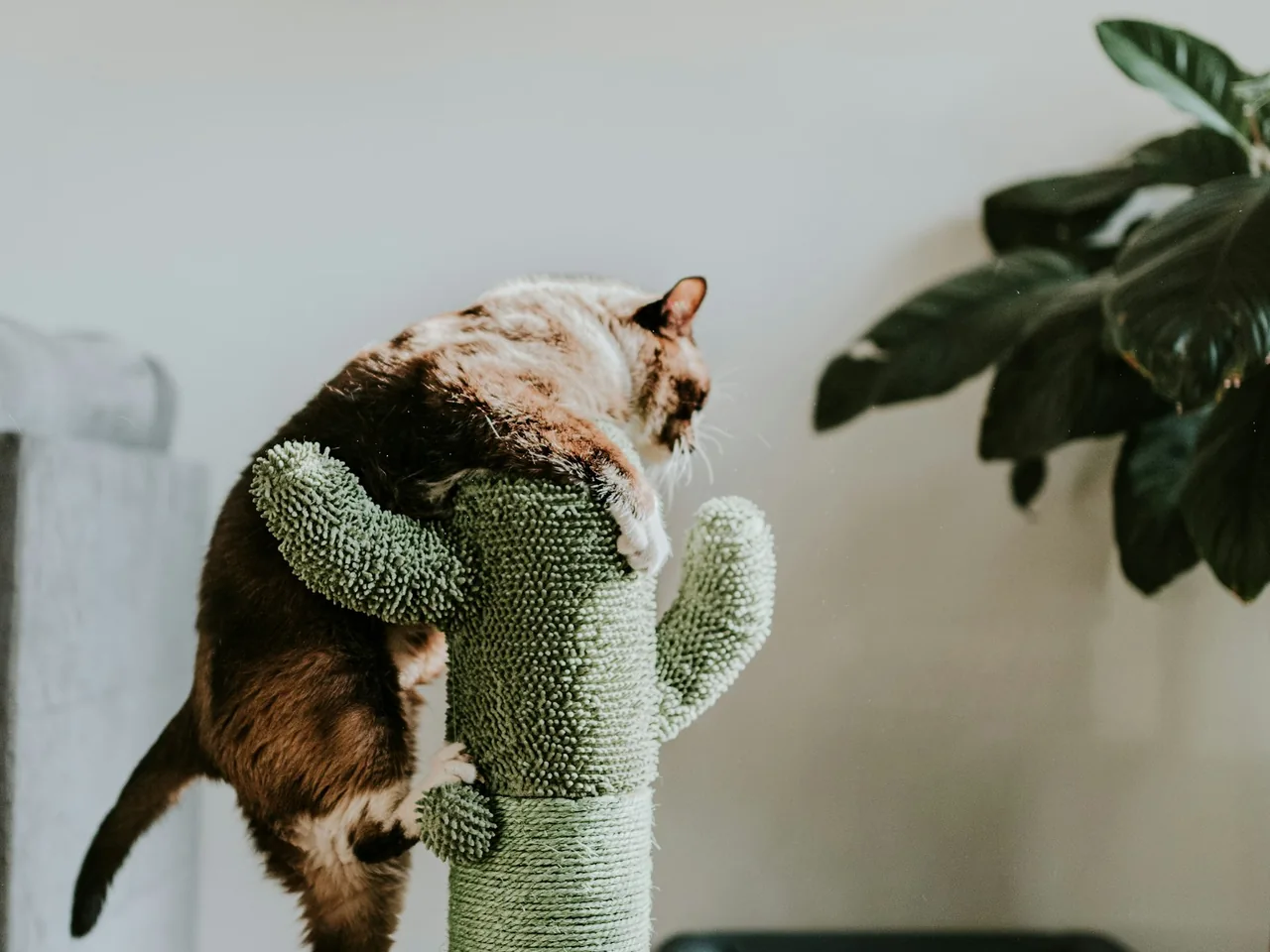
Context photograph.
Follow a route at cat level
A bowl can be full and still be awkward to reach. Start where your cat rests and trace a route to water, food, a litter tray, scratching opportunities and another resting or hiding place. Look for closed doors, narrow gaps and spots where a person or another animal can interrupt the route.
A daily check need not redesign your home. It can simply confirm that the arrangement you intended still exists after chairs move, laundry arrives or a visitor closes a door. Separate resources are useful only while they remain available.
Use a repeatable sequence
- Check that water is available and that the container and surrounding area are clean.
- Confirm that the litter location is accessible and maintained, following the needs of the cat and the product used.
- Inspect scratching furniture for stability and surrounding clearance.
- Look at the hiding or resting option without reaching in to pull the cat out.
- Remove new obstacles along the route, then check any doors that change access between rooms.
Think about more than item count
In a home with several cats, resources placed side by side can still function as a single contested location. Cats Protection recommends additional resources; its starting point for beds, trays, scratching posts, and food and water bowls is one per cat plus one extra. That is a starting arrangement, not proof that every cat can comfortably reach every resource.
Draw the access routes separately for each cat. If one route passes through another cat's preferred resting area, look for a more distributed option. Do not assume that adding another item beside the first fixes a bottleneck.
Observe without forcing a test
You do not need to carry the cat to each bowl to demonstrate access. Note spontaneous use, hesitation or turning away, then examine the setting. If you change one location, record what moved and what you actually noticed afterward.
This checklist concerns environment and everyday upkeep. Changes in toileting or other behaviour can need individual professional assessment. A room plan cannot establish a cause or replace that assessment.
Sources & practical application
These principles inform the guide. Household worksheets, examples and sequencing are our editorial application, not reported experiments or endorsements by the source organisations.
Source principle: Prepare separate essentials, a hiding place and sturdy scratching facilities. Provide additional resources for multiple cats.
Source principle: Distribute resources, avoid busy bottlenecks and consider the route a cat uses to reach each location.
Checked October 16, 2026. How we prepare guides · Report a correction.