 Pawcare Wise
Home care Both
Choose a resting place that stays restful
Look beyond the bed itself to traffic, sound, access and the option to leave.
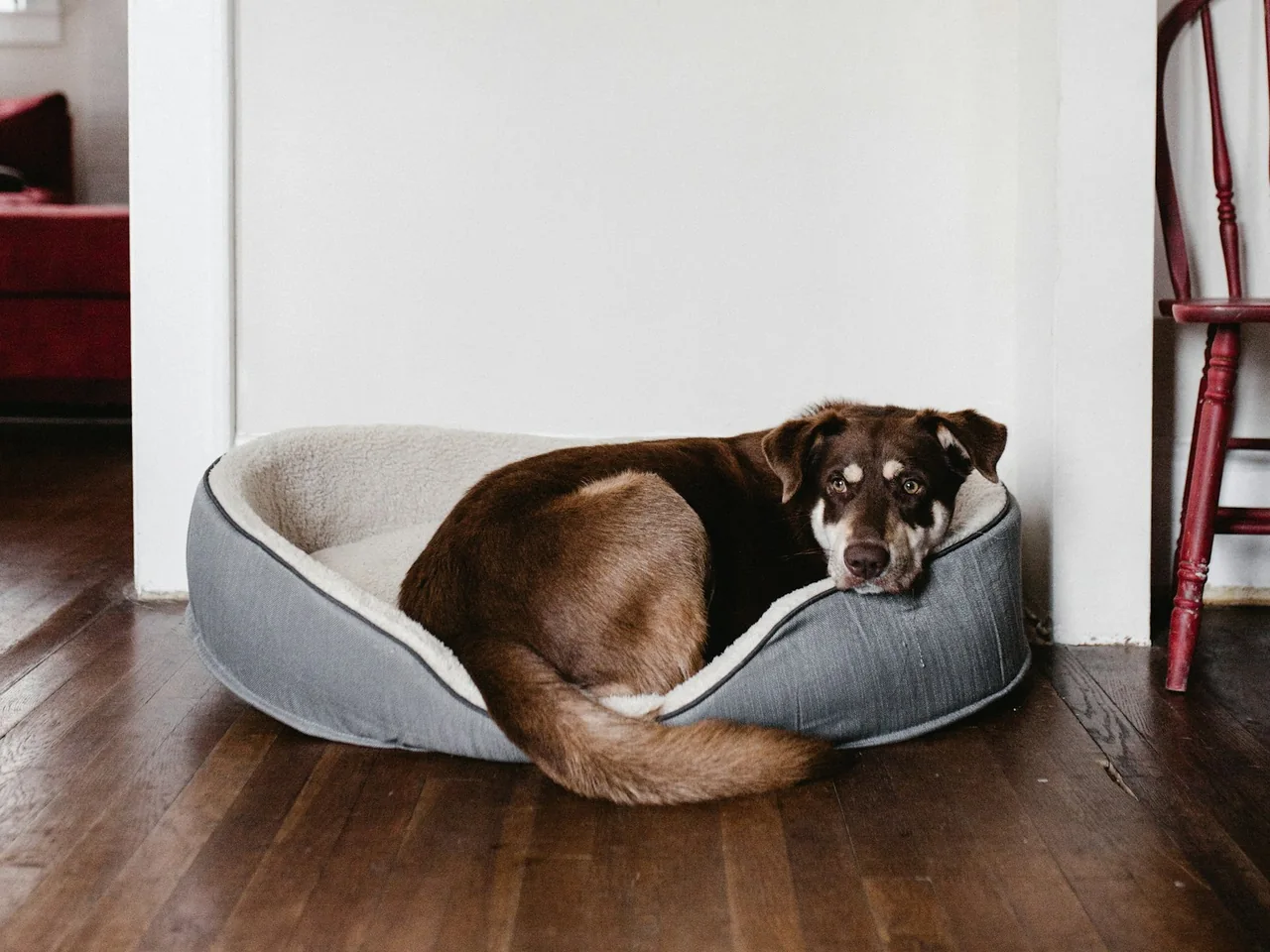
Context photograph.
Audit the location before buying a bed
Picture the room during its busiest moment. A corner that looks peaceful when the house is empty may sit beside a slamming door, a passing vacuum or a child's regular play area. Observe the route through the room and choose a place where rest will not require constant negotiation.
Make a simple floor sketch. Mark doors, the main walking line and where people gather. Then mark a possible retreat outside that line. This is a location exercise rather than a claim that a particular bed shape makes an animal calm.
Try the space in ordinary conditions
- Place a comfortable resting surface where your dog or cat can approach and leave freely.
- Keep the surrounding floor clear so reaching the bed does not mean crossing stored equipment.
- Let the animal investigate voluntarily. Avoid repeatedly placing them on the bed to create a photograph or demonstrate that it works.
- Watch how the location performs when someone cooks, answers the door or moves between rooms.
Protect the meaning of a break
Agree on a household rule: an animal using its retreat is given space. For dogs, rewarding naturally relaxed behaviour can support settling; it is not necessary to turn every period of rest into a training session. If you practise a mat exercise, use a separate short opportunity and a quiet starting environment.
For a cat, a resting location can be one choice among several, including a suitable hiding place. Do not block a preferred exit with furniture or use the bed as the only route to another resource. Follow the animal's choices before deciding that a new purchase has solved the problem.
Keep a location note
Record “used while the dishwasher ran” or “left whenever the hallway door opened.” Those observations help you distinguish a placement issue from a material preference. If you move the bed, keep other details stable long enough to learn something from the change.
A comfortable place is also one that remains practical to maintain. Check the manufacturer's cleaning instructions and inspect the surface for damage. Keep any individual mobility or health requirements with the advice already provided for that animal; this guide makes no treatment recommendations.
Sources & practical application
These principles inform the guide. Household worksheets, examples and sequencing are our editorial application, not reported experiments or endorsements by the source organisations.
Source principle: Provide a comfortable resting place, room to move, and appropriate objects for play and chewing.
Source principle: Begin in a quiet place, reward relaxed behaviour, and introduce distractions gradually.
Checked October 16, 2026. How we prepare guides · Report a correction.